How to Build a Distraction-Free Study Space at Home
On this page
A study space does not need to be elaborate, but a few consistent, low-cost changes can significantly reduce the number of times focus breaks during a session.
✅ Key Takeaways
- 👉 A dedicated spot, even a small one, works better than studying anywhere
- 👉 Phone notifications are one of the biggest sources of lost focus
- 👉 Good lighting reduces fatigue during long sessions
- 👉 A consistent spot helps the brain associate it with focus over time
📌 Choosing and Setting Up the Spot
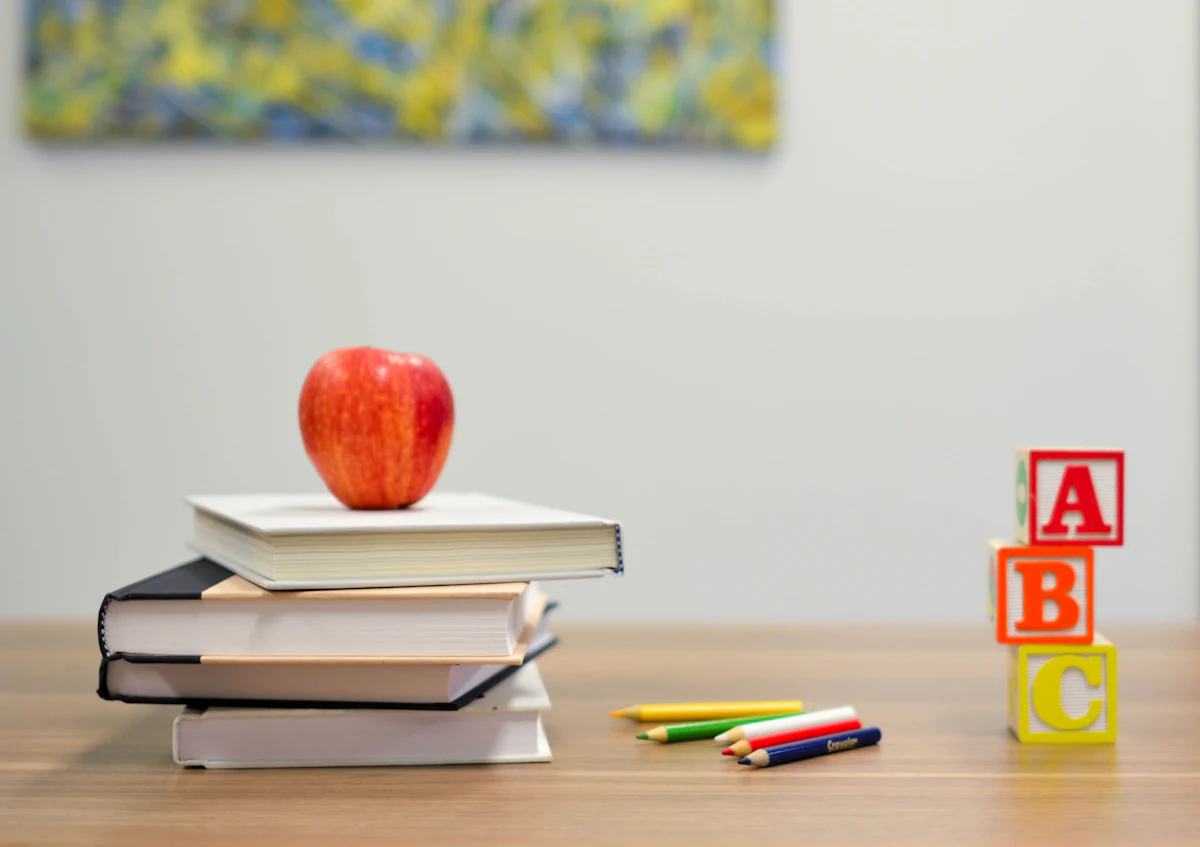
A single, consistent location, even a corner of a shared room, works better than studying in a different place every day, because the brain gradually associates that specific spot with focused work.
- ✔️ Good lighting, ideally natural light where possible
- ✔️ A clear surface with only current study materials on it
- ✔️ A comfortable but not overly relaxing chair
🎯 Managing Phone and Digital Distractions
Keeping a phone in another room, or using a simple do-not-disturb mode during study blocks, removes the single biggest source of interruption for most students. Even silent notifications pull attention away from the current task.
💡 Handling Noise and Household Interruptions
Where a fully quiet space is not possible, simple headphones or a consistent low background sound can help mask irregular noise. Agreeing on quiet study hours with family members at home also reduces interruptions significantly.
🙋 Frequently Asked Questions
❓ Is background music helpful or harmful while studying?
This varies by person and task; instrumental or low-lyric music works for some, while others focus best in silence.
❓ What if I do not have a separate room to study in?
A consistent corner or desk, used only for study during set hours, can work nearly as well as a separate room.
❓ How often should the study space be reorganized?
Keeping it consistently tidy matters more than frequent reorganizing; clutter is the main distraction to avoid.
💬 In Short
Small, consistent changes to a study space, rather than an expensive setup, are usually enough to noticeably improve focus over a few weeks.
Related Articles
A Practical Weekly Exam Preparation Plan
A flexible study structure for reviewing topics, practicing questions and tracking progress.

How to Analyze Previous Year Question Papers
Getting more value from old papers than simply solving them once.

Active Recall vs Passive Reading for Exam Preparation
Why testing yourself works better than re-reading, and how to build the habit.

Time Management Techniques for Competitive Exam Preparation
How to divide limited preparation time across subjects without feeling overwhelmed.